A gift in a time of crisis
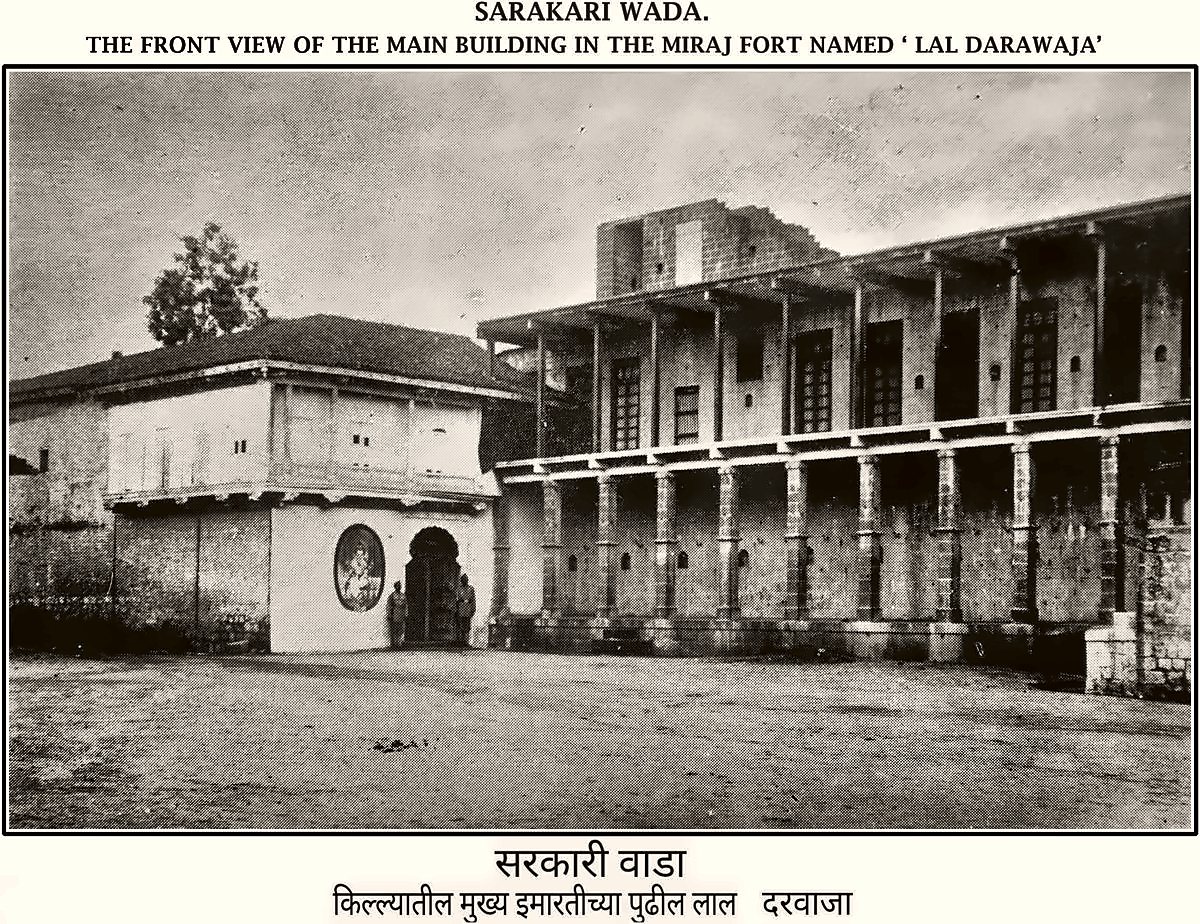
The Maratha defeat at Panipat on 14 January 1761 and the death of Nanasaheb Peshwa that June left the Peshwai in the hands of a young man, Madhavrao, and of his ambitious uncle, Raghunathrao, who acted as regent. The Patwardhans had borrowed heavily from moneylenders to keep their troops in the field, and the new Peshwa compensated them with the fort of Miraj, until then held by Shivaji Ballal. Govind Hari made it his base. The family would hold Miraj for the next two centuries, but their first years there were nearly their last.
Choosing a side
Madhavrao and his uncle were soon at odds. The Patwardhans, with Gopalrao at their head, stood by the young Peshwa. When the two sides met at Ghod Nadi in November 1762 and again at Alegaon, Madhavrao’s forces were worsted, and Neelkanthrao, Narayanrao and Bhaskarpant Patwardhan were among the wounded. Madhavrao chose to submit to his uncle rather than see his army destroyed, and Raghunathrao turned on the family that had opposed him. He demanded that Govind Hari hand over Miraj Fort, with its elephants, horses and treasury, to his own nominee.
The siege
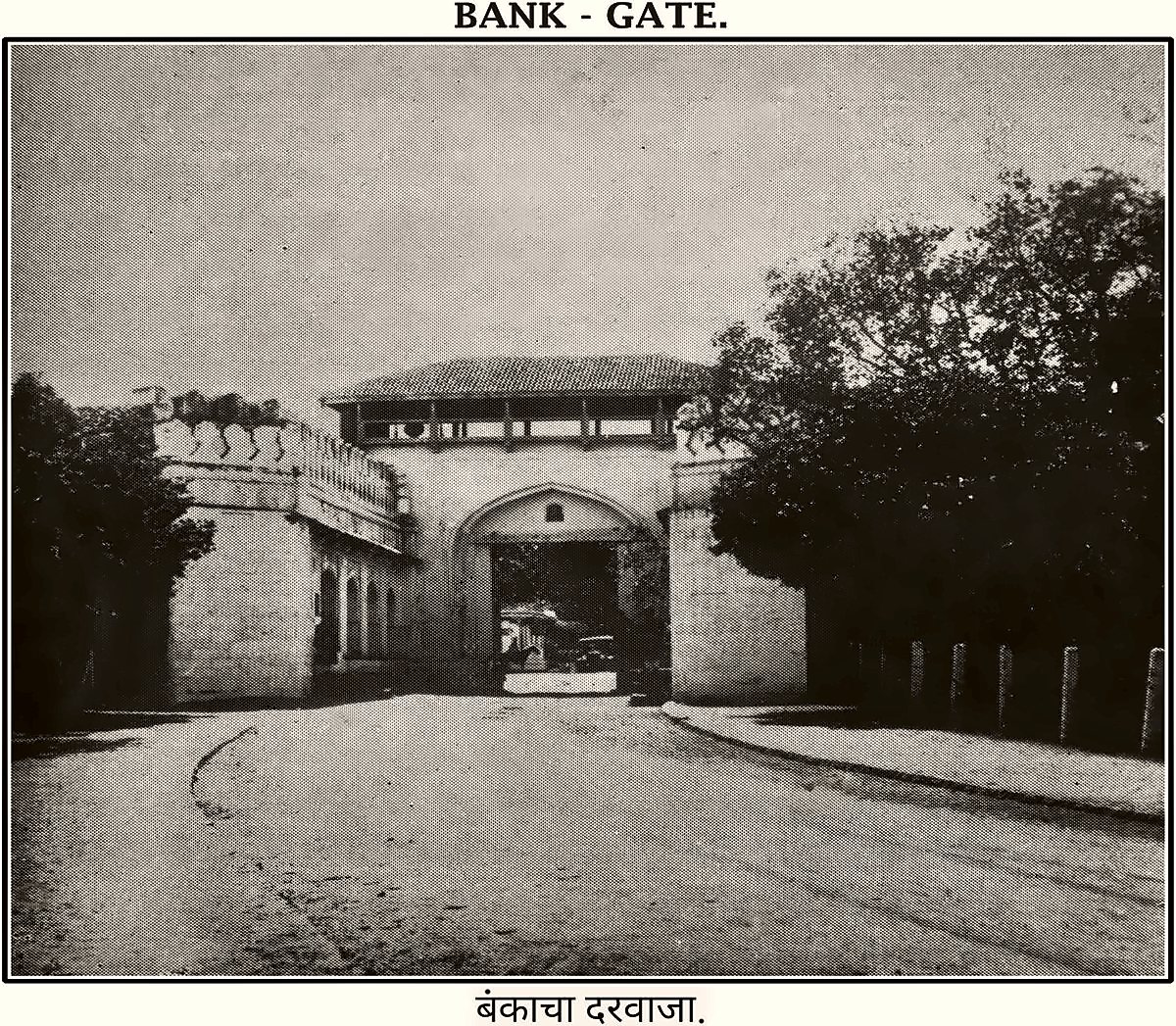
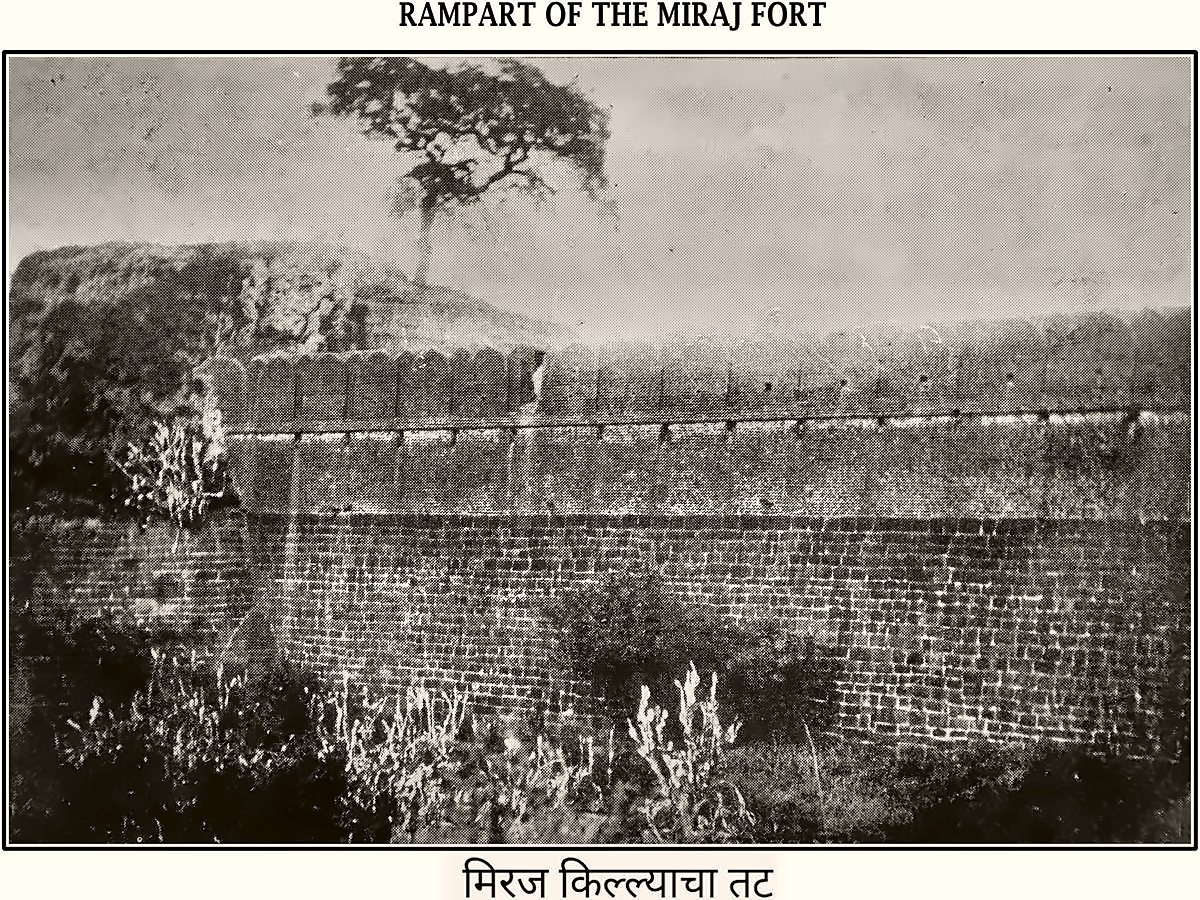
The family decided that Govind Hari, then sixty-five, would stay and defend the fort, while the women and children were moved south to Bankapur and Mangalvedha. The fort was stocked with ammunition and food. Raghunathrao sent Aba Purandare with 10,000 men after Gopalrao’s army, which was defeated near Jamkhandi; Gopalrao took his surviving troops to the Nizam, where the commander Vitthal Sundar received him.
From December 1762 Raghunathrao’s army, some 50,000 strong, invested Miraj. Inside were perhaps 1,500 defenders. The fort held out for weeks. On 3 February 1763, after negotiations, Govind Hari surrendered it on terms: Raghunathrao would settle the debts the Patwardhans had incurred for the Peshwa’s wars, and the family kept Kurundwad, Kagwad and Mangalvedha. Sardar Vinchurkar and Khanderao Darekar raised Raghunathrao’s flag on the Chand Buruj, Naro Shankar was made killedar, and Govind Hari withdrew to Mangalvedha.
Restoration
Raghunathrao’s ascendancy did not last. Madhavrao soon asserted his own authority and, after the defeat of the Nizam at Rakshasbhuvan in 1763, the Patwardhans who had taken shelter with the Nizam returned to the Peshwa’s service. Madhavrao restored Miraj to them and added further villages, among them Tasgaon, Ashta, Jamkhandi, Yadwad, Navalgund, Bankapur and Laxmeshwar.
The siege made the Patwardhans the young Peshwa’s most trusted Sardars in the south. For the next decade they led his campaigns against Hyder Ali of Mysore, and Gopalrao became the chief commander of the family’s forces. For Govind Hari, the defence of Miraj at sixty-five was the last great stand of a long career that had begun under Bajirao I.
Sources
- Uday S. Kulkarni, “Patwardhans: The Sword Arm of the Peshwai”, Part 2, eSamskriti, 2019
- Gangadharrao Patwardhan, A Short Sketch of the Patwardhans, ed. Madhavraje Patwardhan, chapters on Govind Hari and Gopalrao