A State built for its people
The Patwardhans are remembered first as warriors of the Maratha Empire, the vanguard of the south against the Nizam, Hyder Ali and Tipu Sultan. But for nearly two centuries they were also the builders of Miraj, and the measure of their rule was what it gave the people of the town and the villages of the State. Temples for their faith, hospitals for the sick, work and food in years of famine, markets for traders, clean water, electric light, schools, and in time a say in their own government: much of what still shapes Miraj was raised by its rulers or under their rule. This article brings together what the family’s records tell us about that work.
Temples and shrines for every faith
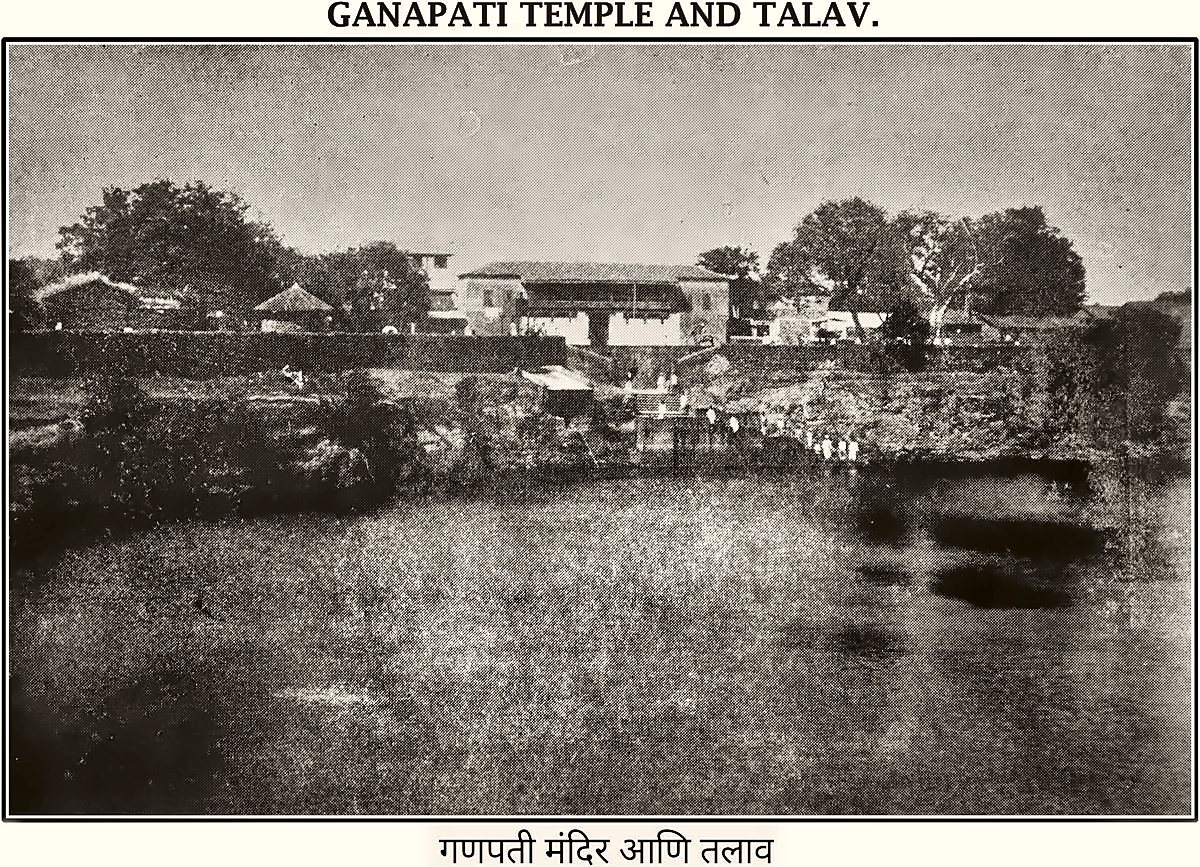
Lord Ganesh is the family deity, and the first great public work of the Miraj house was His temple. In 1799 Shrimant Gangadharrao Govind built the Ganesh Mandir at a cost of Rs 40,000, together with the tank at Ganesh Peth, which gave the town both a place of worship and a store of water. He also built a ghat on the Krishna and the Shree Madhavji Mandir in the fort, where in 1855 Swami Niranjan Raghunath installed the Ek Mukhi Datta for his disciple, Shrimant Gangadharrao II.
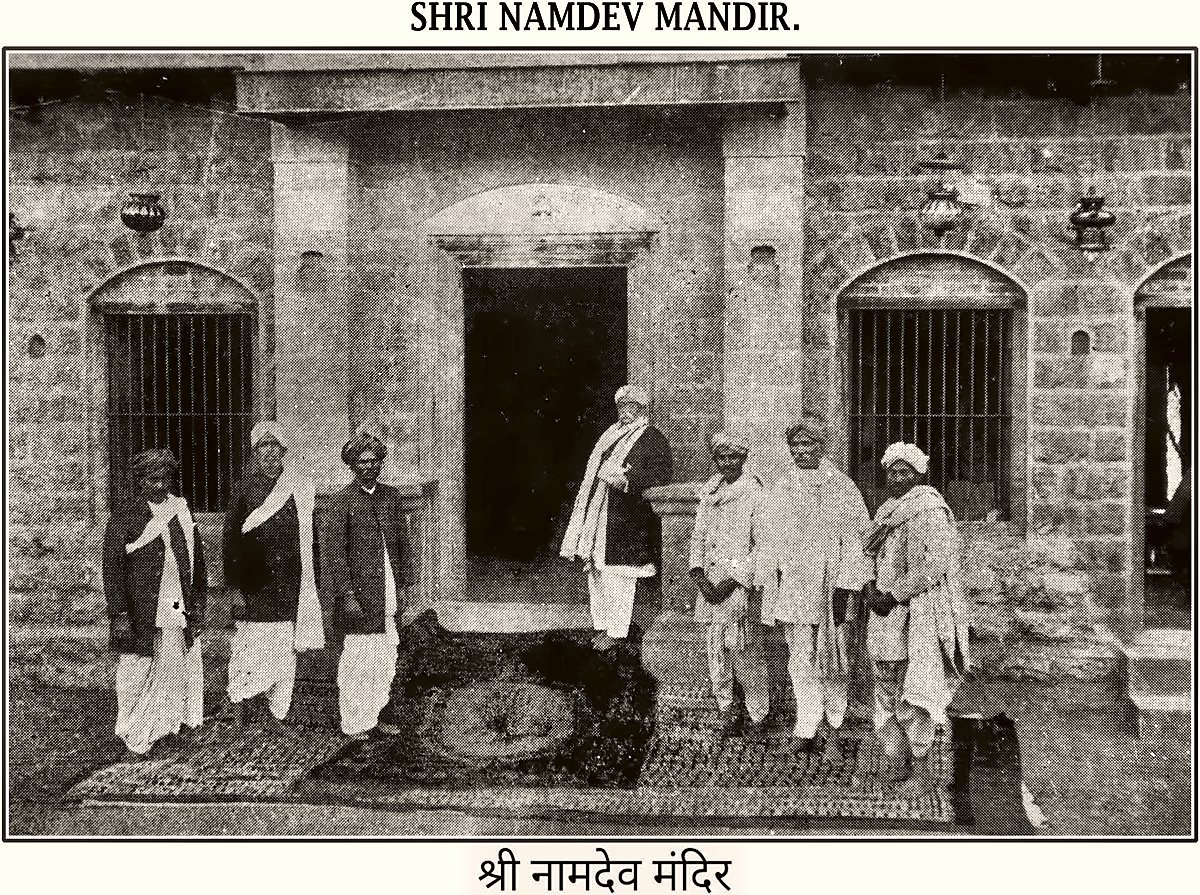
His Highness Shrimant Sir Gangadharrao helped to rebuild the Namdeo Mandir after it was destroyed by fire, and visited it regularly. His care extended beyond his own faith: he was a trustee of the Mirasaheb Dargah, and his subjects remembered him for keeping harmony between Hindus and Muslims.
Healing
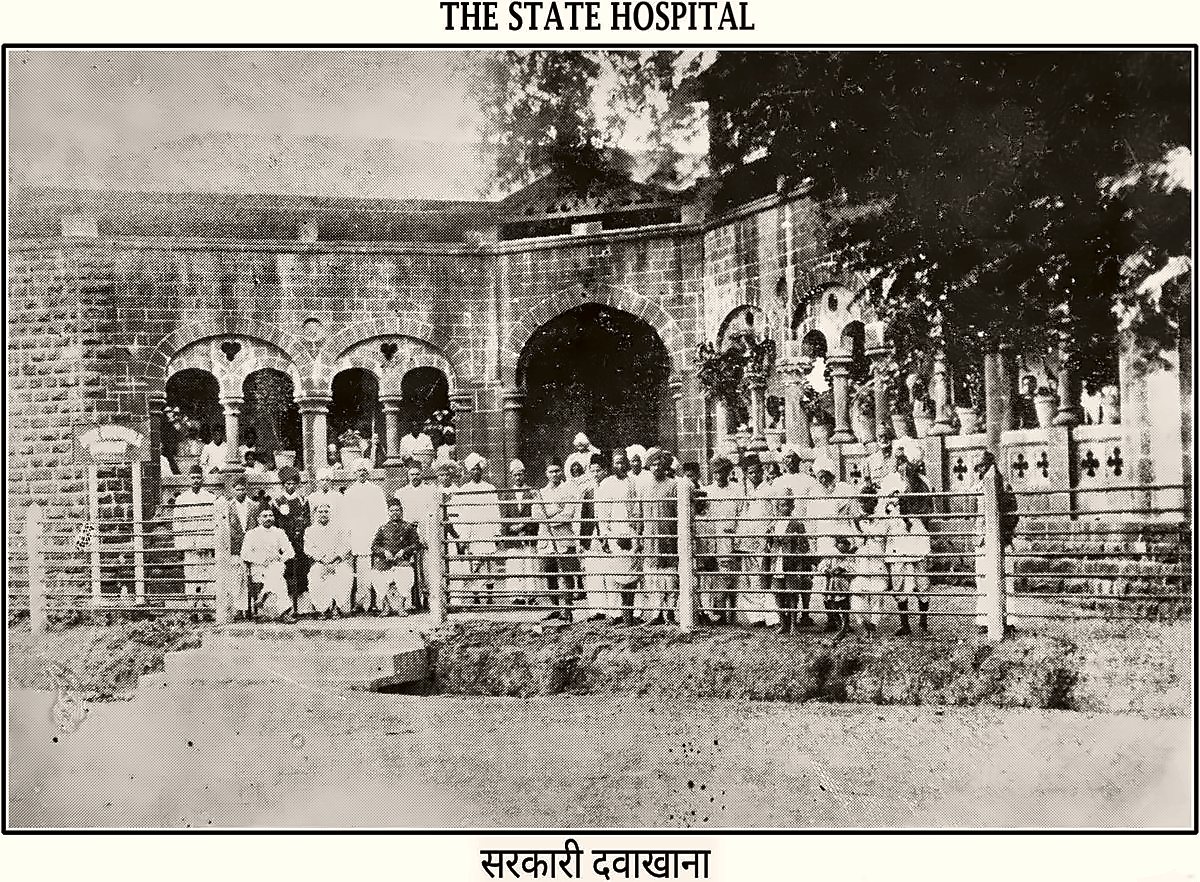
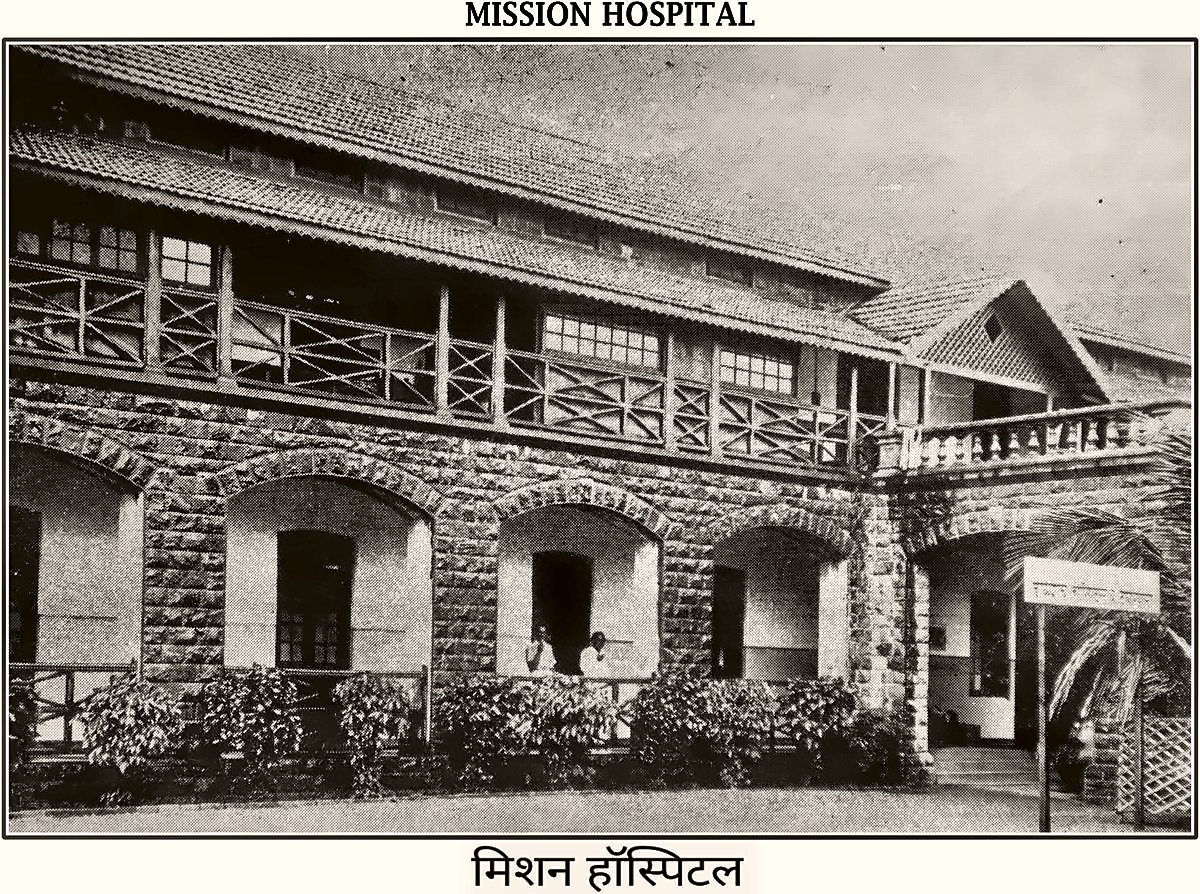
Shrimant Ganpatrao Tatyasaheb II opened the State’s Government Hospital at Miraj in 1864. A generation later, Dr William Wanless, who had come to Miraj in 1889 through the mission in western India, began the medical work that would become the Mission Hospital. His Highness Shrimant Sir Gangadharrao gave land for the hospital. It is largely because of that grant that Miraj became the leading medical centre of southern Maharashtra, and that so many doctors made the town their home. People from across the region still come to Miraj to be treated.
Relief in hard years
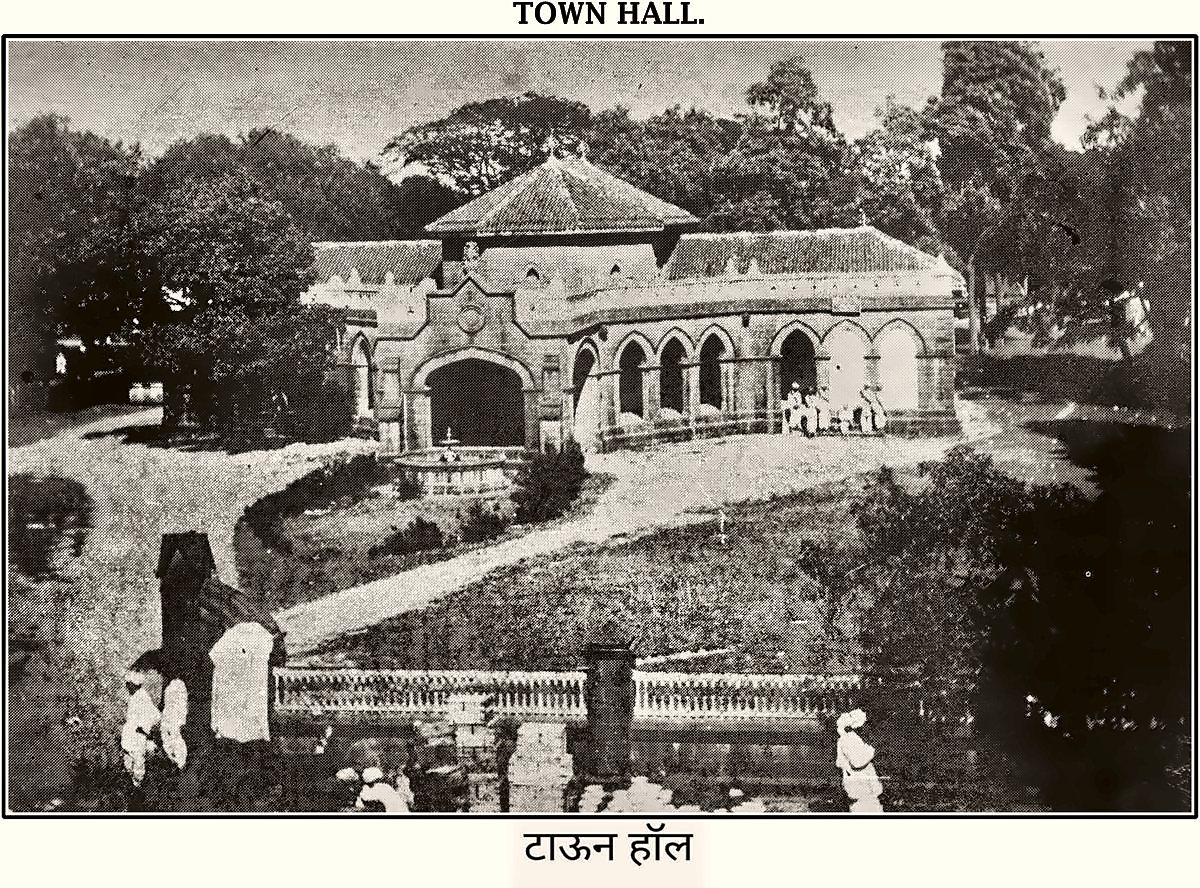
When famine struck, the State turned relief into public works. The Town Hall was built in 1881–82 to give employment to people in need, and its workers were paid in cash and in grain. Designed with arches and a sloping roof by the engineer Moreshwar Kelkar, it stood in a large garden and housed a museum of antiquities, probably the first such exhibition hall in western Maharashtra.
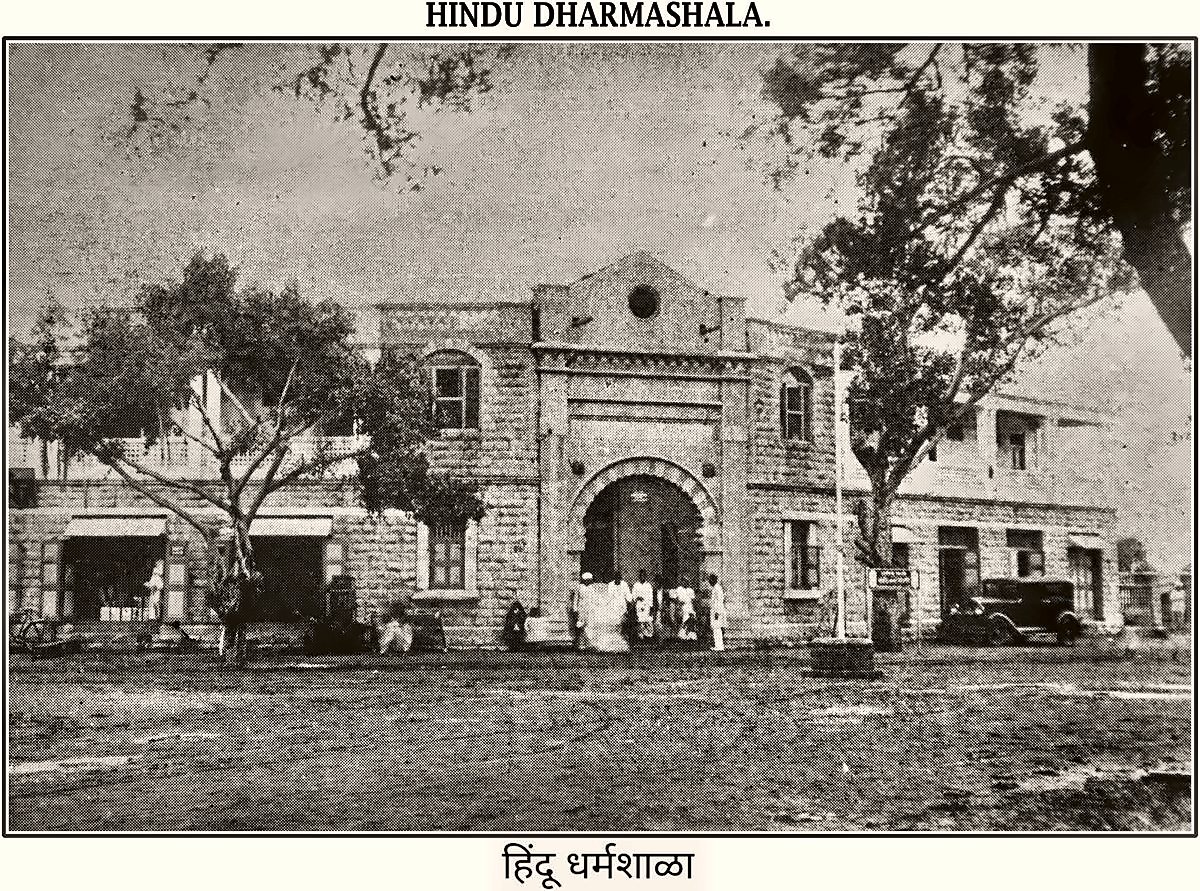
His Highness Shrimant Sir Gangadharrao also ran a free Anna Chhatra, where food was given to the needy, built the Hindu Dharmashala for travellers and pilgrims, and founded the Ganesh Kalagraha workshops, where any unemployed person could find work making locks, knives and scissors.
Markets
Miraj was a market town, and the State built for its traders. The Tandul Market served the grain trade, especially turmeric and tobacco, the cash crops of the day. At Modnimb, His Highness Shrimant Sir Gangadharrao allotted plots to small traders so that a village could grow a market of its own, with shops for cloth and grain.
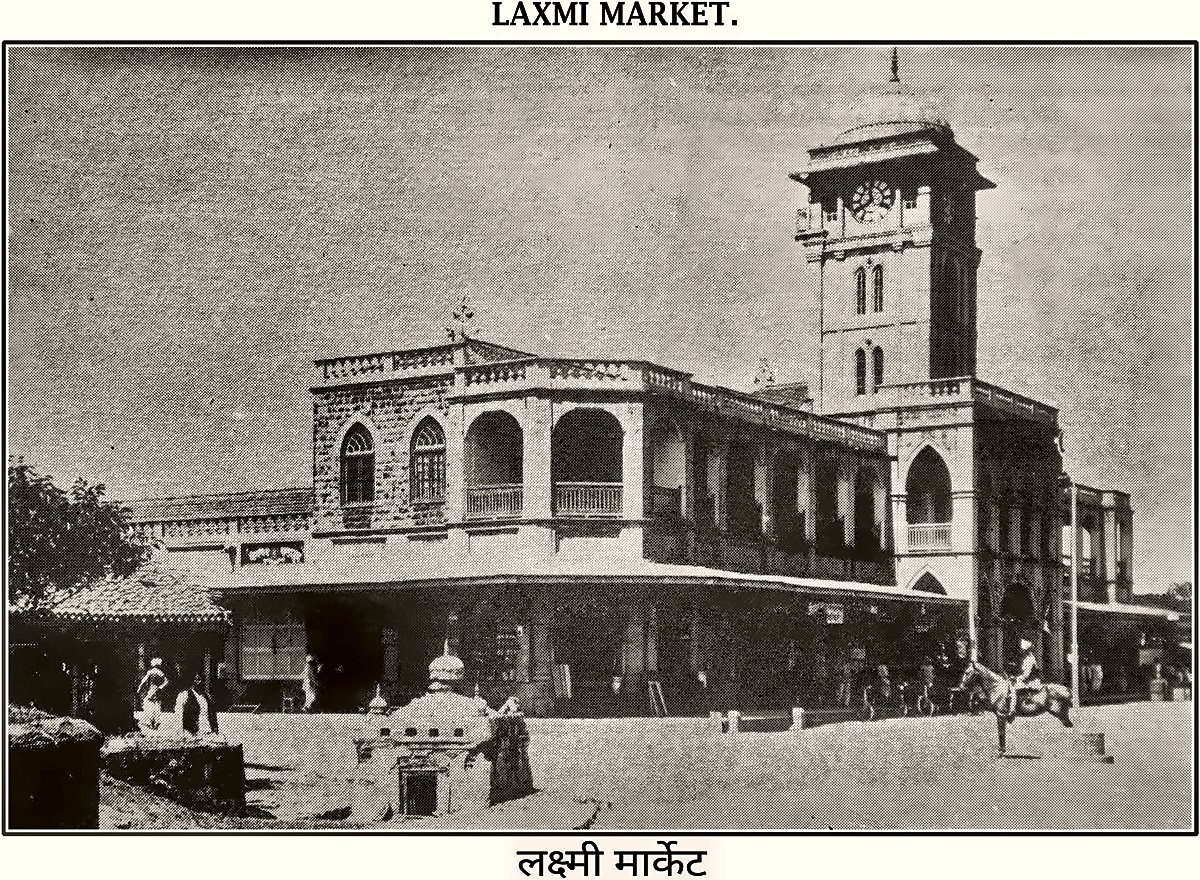
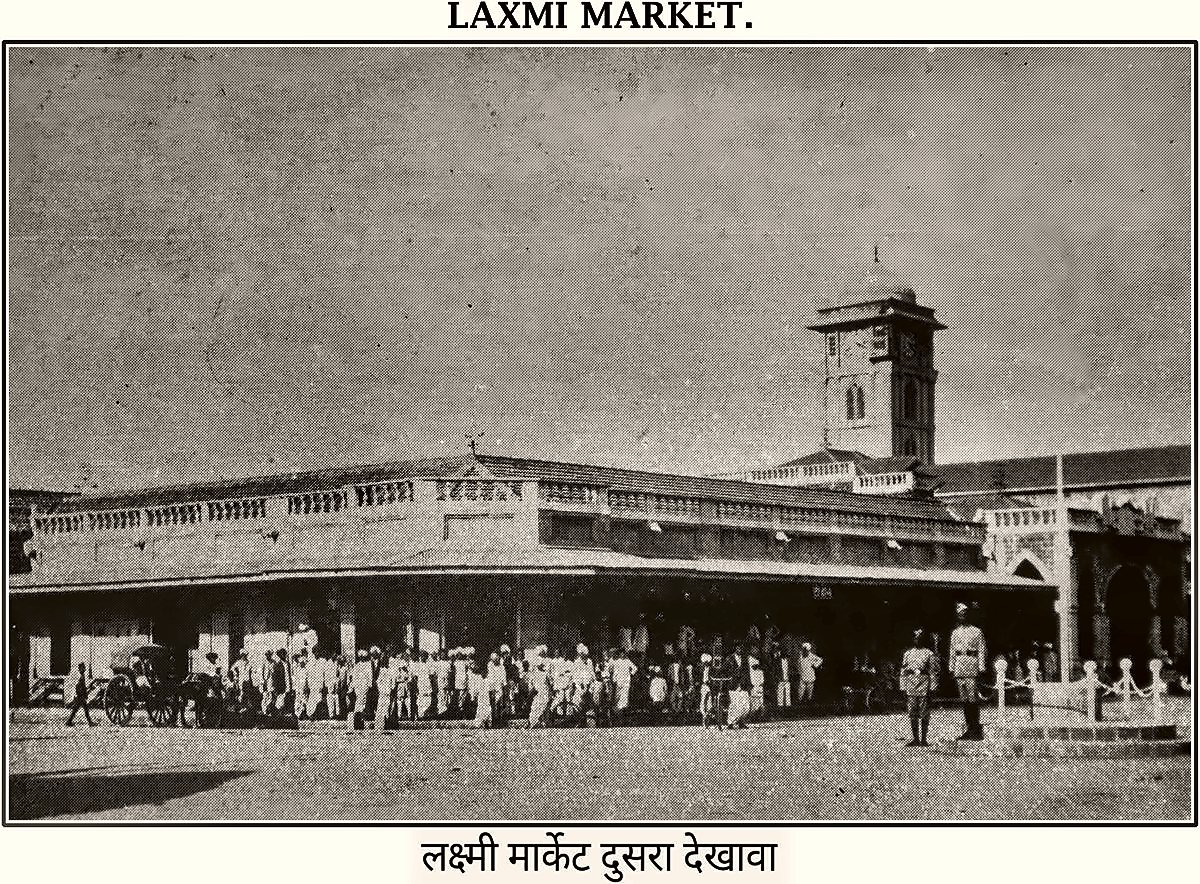
The best known is the Laxmi Market, named after Her Highness Shrimant Sou. Laxmibaisaheb Maharaj. Construction began on 9 August 1930, when her husband, His Highness Narayanrao Tatyasaheb Maharaj, was Yuvaraj, to give the town’s merchants a large covered market at its heart. Built in an Indo-British style, with four minarets and a tall clock tower, it cost Rs 1,50,000 and was inaugurated on 28 February 1932 by Shrimant Chintamanrao Appasaheb, Raja of Sangli. It remains a landmark of Miraj.
Water and light
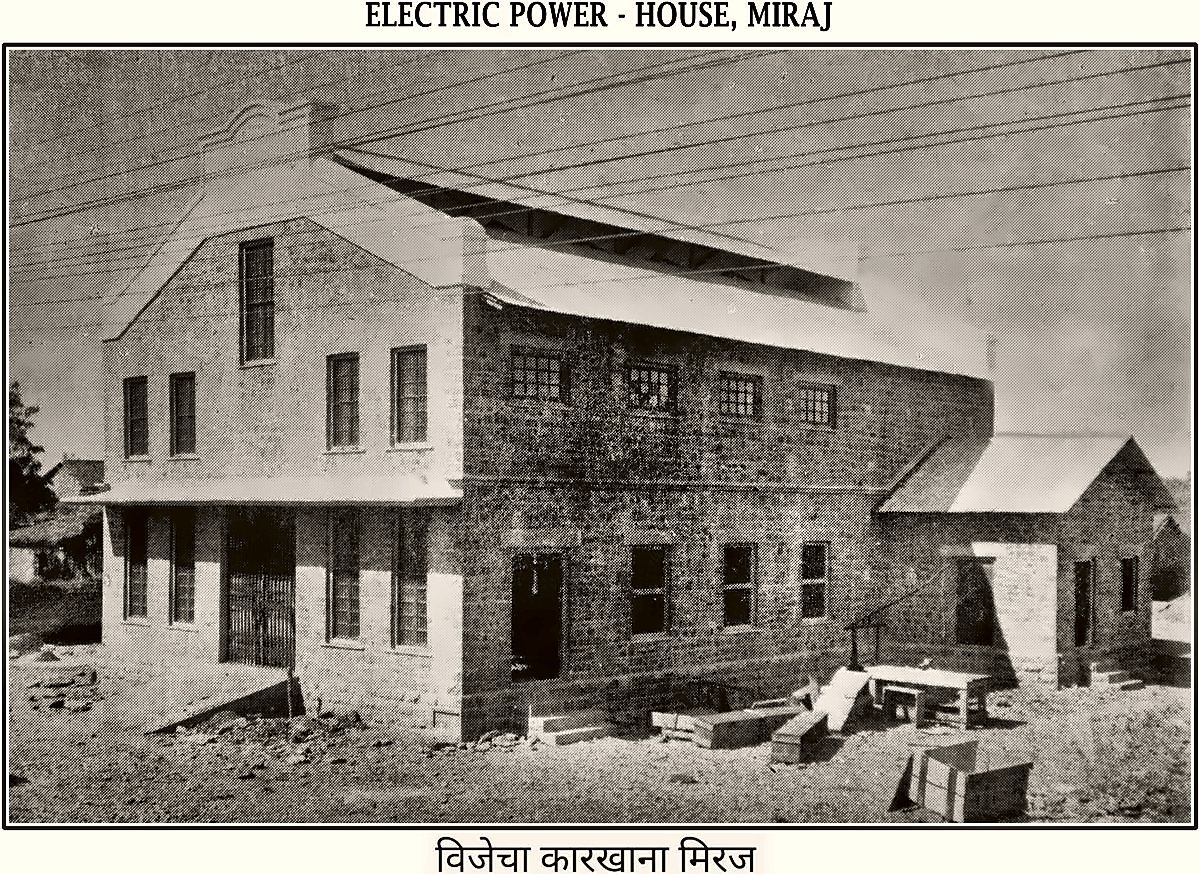
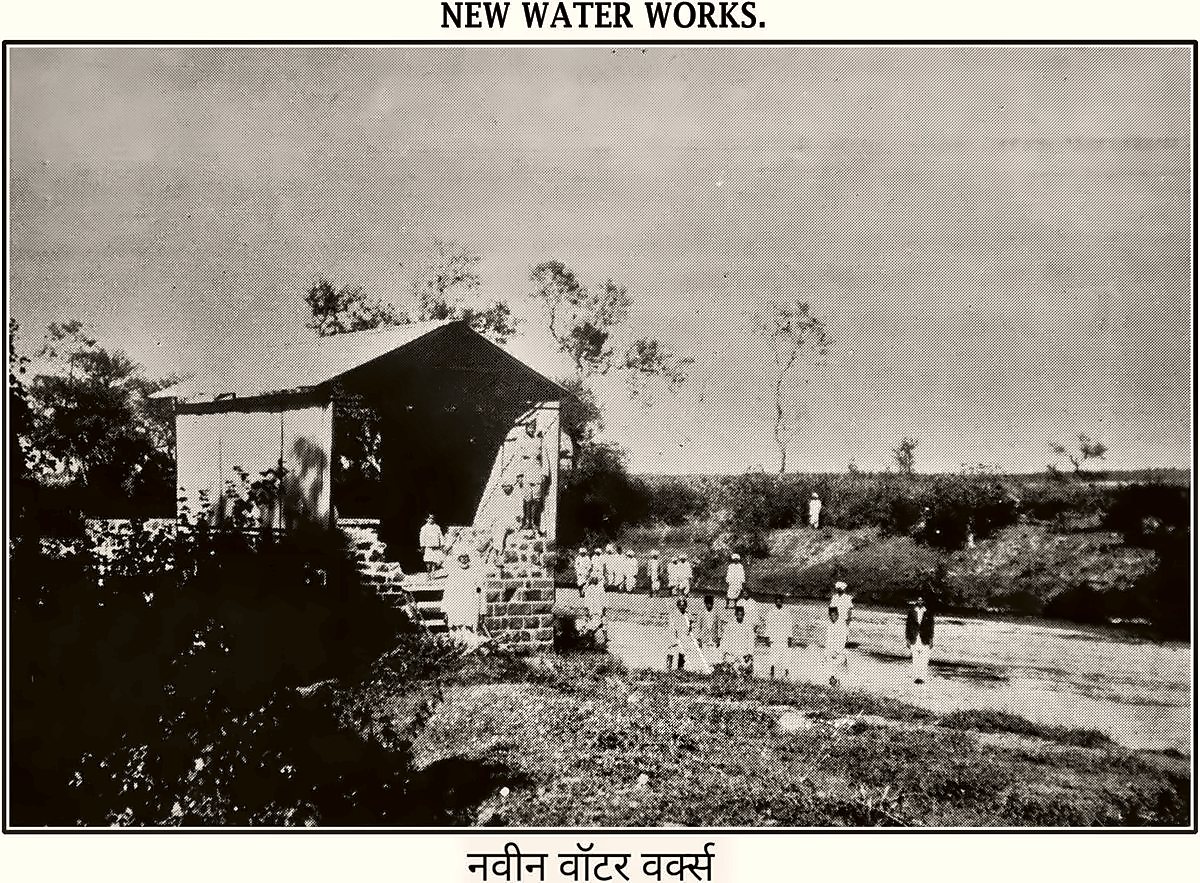
His Highness Shrimant Sir Gangadharrao built the Electric Power House that brought electricity to Miraj, and the Crystal Ice Factory. On 6 November 1946 His Highness Narayanrao Tatyasaheb Maharaj opened the new waterworks and filtration plant that gave the town clean, filtered water. He named it the Gangadharrao Balasaheb Water Works, after his grandson, today’s head of the family.
A voice for the people
The rulers of Miraj also shared power with their subjects. His Highness Shrimant Sir Gangadharrao set up a local governing body and gave administrative rights to the people of the town, and the State came to have five Nagar Parishads. His Highness Narayanrao Tatyasaheb Maharaj supported the Miraj State Bank, which became one of the best-managed scheduled banks of its day, encouraged new industry, appointed a committee of educationists to improve Miraj High School and the Jubilee Kanya Shala, and strengthened the State police.
When the Miraj State merged into the Indian Union on 8 March 1948, the family handed the Darbar Hall to the Bombay Government on the condition that it be maintained for the public.
Learning
The family’s schools, libraries and talims, from the Jubilee Kanya Shala and Miraj High School to the Uma Vidyalayas at Modnimb and Laxmeshwar, are described in Music, Wrestling and Learning and The Ranisahebs of Miraj and Their Social Work.
The work continues
The family’s service to Miraj continues through the Miraj Trust, founded by His Highness Balasaheb Maharaj in 2010, which organises the Ganpati Festival, the Krishna River Festival and a chess tournament; and through the Rajasaheb of Miraj Foundation, which runs the Ganesh Talav Cleaning Drive at the tank built in 1799 and Yuva 360 Legal, a legal aid and internship programme for young lawyers and students.
Sources
- Gangadharrao Patwardhan, A Short Sketch of the Patwardhans, ed. Madhavraje Patwardhan, chapters on Shrimant Gangadharrao Govind (I), Shrimant Ganpatrao Tatyasaheb (II), His Highness Shrimant Sir Gangadharrao and His Highness Narayanrao Tatyasaheb Maharaj
- The Miraj State Album